

|
|
|
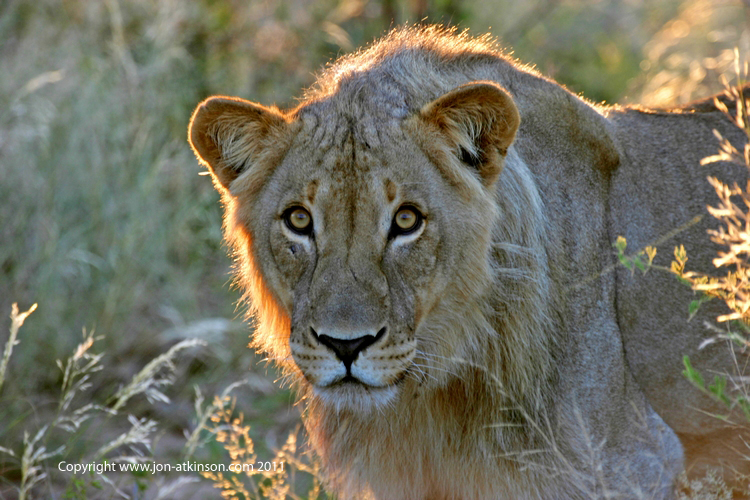
AP1 - Lion, Kruger National Park, South Africa: In Africa, lions are found in savannas, grasslands, dense bush and woodlands. Lions are social in their own communities. They usually live in groups of 15 or more animals called prides. Prides can be as small as 3 or as big as 40 animals. |
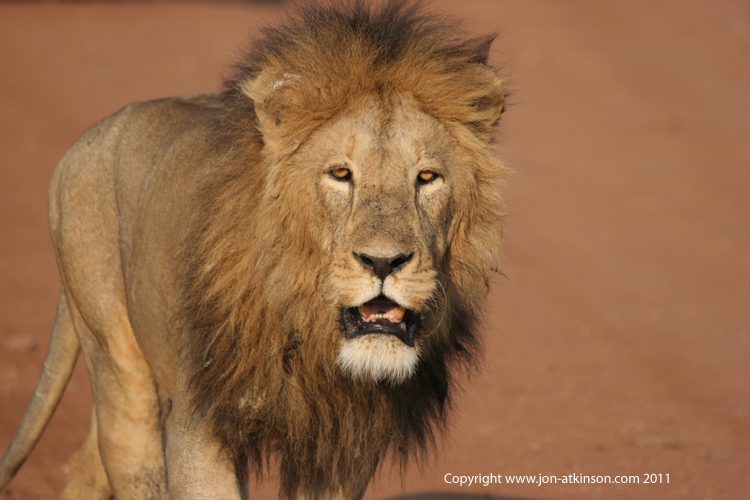
AP 2 - Lion, Ngorongoro National Park, Tanzania: Mature male lions are unique among the cat species for the thick mane of brown or black hair encircling the head and neck. Both male and female lions roar, a sound which can be heard as far as 8 kilometers away. |
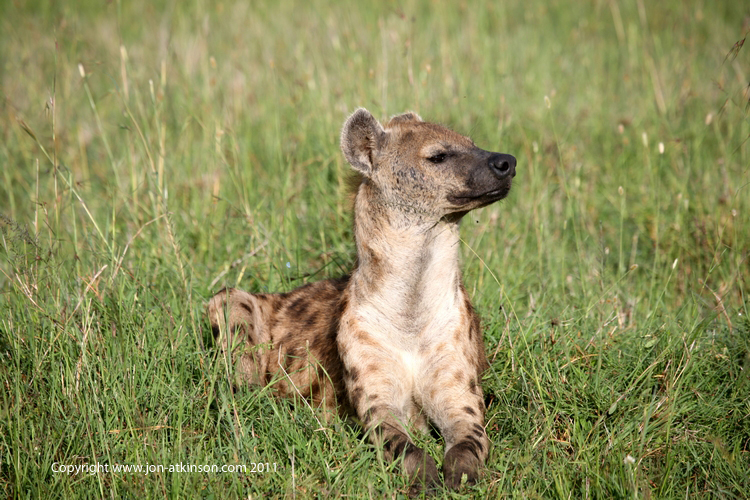
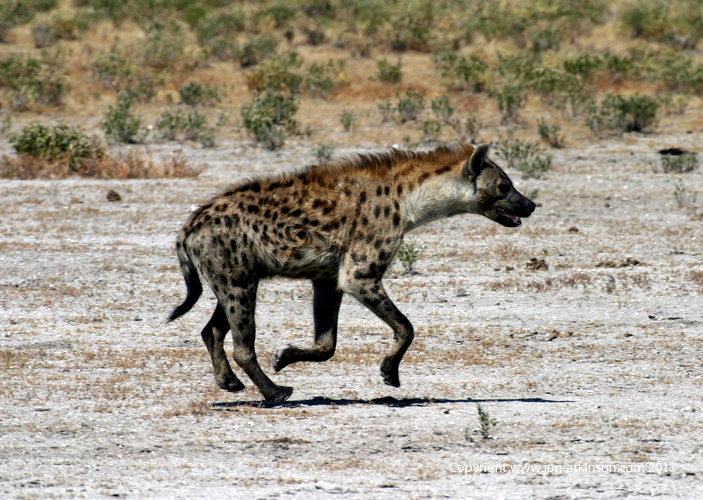
AP3 - Spotted Hyena, Kruger National Park, South Africa: Spotted hyenas are famed scavengers and often dine on the leftovers of other predators. But they are also skilled hunters that will take down wildebeest or antelope. They also kill and eat birds, lizards, snakes, and insects. |
|
|
|
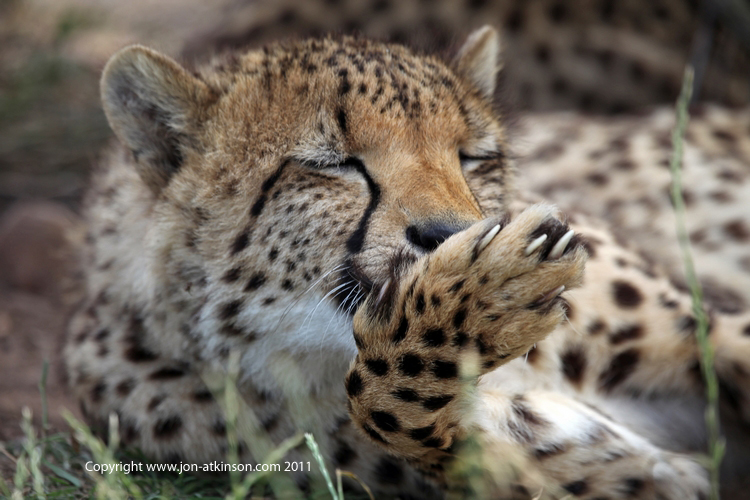
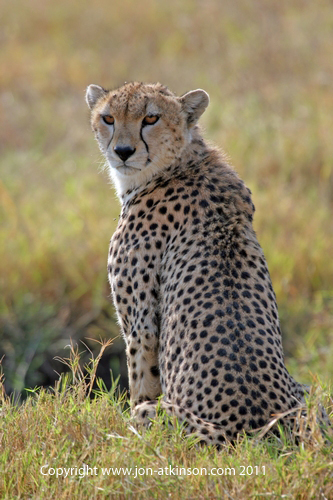
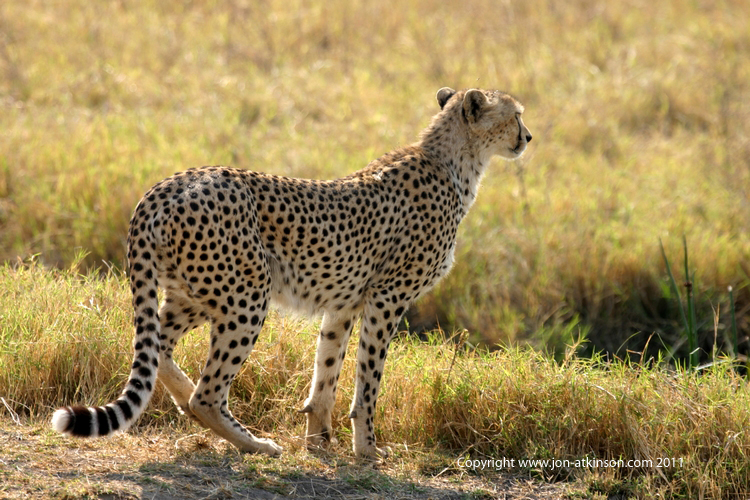
AP4 - Cheetah, Garden Route N.P. South Africa: The Cheetah is the fastest mammal on land, the cheetah can reach speeds of 60 or perhaps even 70 miles (97 or 113 kilometers) an hour over short distances. It’s slender, long-legged body is built for speed. |
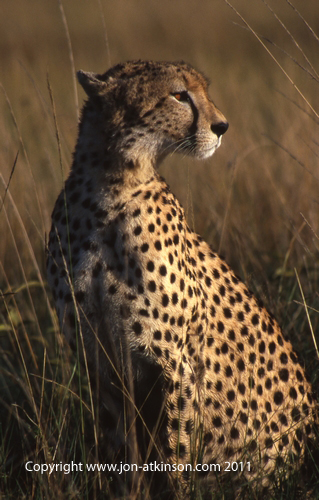
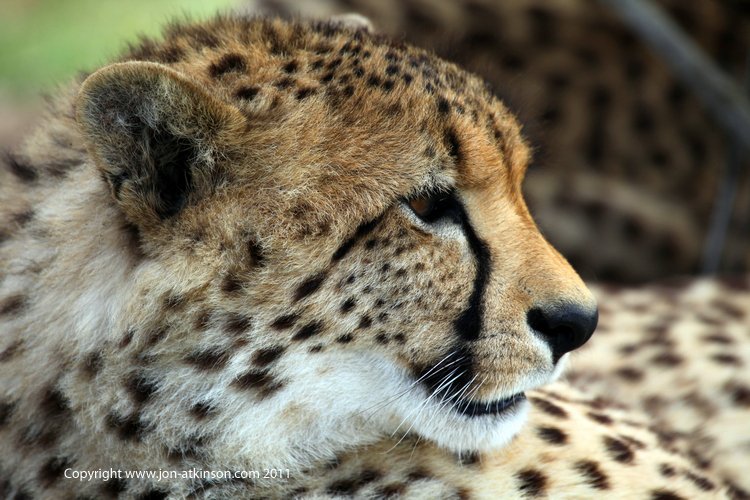
AP5 - Cheetah, Ngorongoro National Park, Tanzania: Cheetahs are tan in color with black spots all over their bodies. They can be distinguished from other big cats by their smaller size, spotted coats, small heads and ears and distinctive "tear stripes" that stretch from the corner of the eye to the side of the nose. |
AP6 - Cheetah, Ngorongoro National Park, Tanzania: Young female Cheetah's usually occupy the same range as their mother although all females are solitary except when they have a litter. The average female home ranges extend to over 800 square kilometers (300 square miles). |
|
|
|
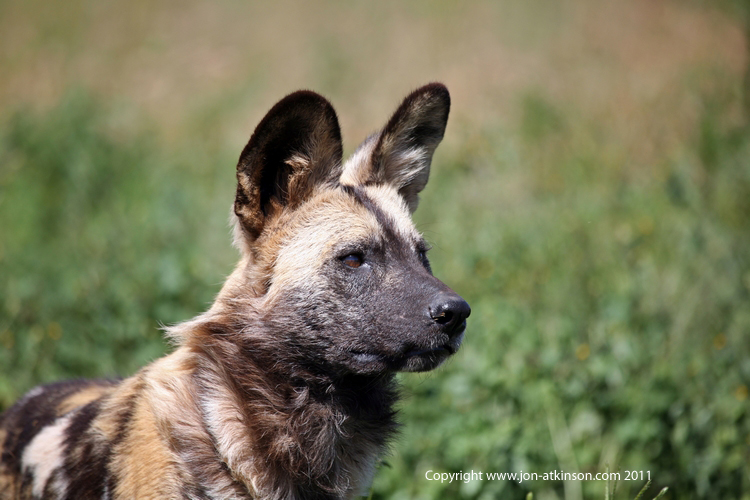
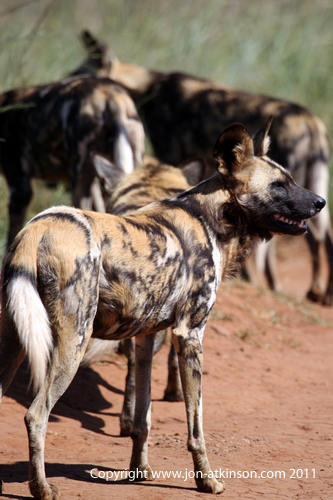
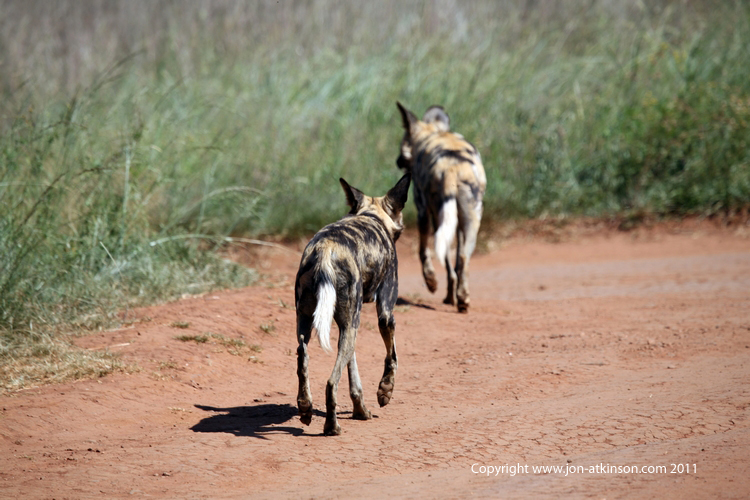
AP7 - African Wild Dog, South Africa: The African wild dog, also called Cape hunting dog or painted dog, typically roams the open plains and sparse woodlands of sub-Saharan Africa. African wild dogs are the size of medium domestic dogs. Their Latin name, Lycaon pictus, means "painted wolf-like animal." Their coats are mottled in shades of brown, black and beige. |
AP8 - African Wild Dog, South Africa: The average African wild dog weighs between 37 and 80 pounds and measures 24 to 30 inches high. Between 2,000 and 5,000 of these dogs remain in the wild, mostly in game preserves or national parks. |
AP9 - African Wild Dog, South Africa: African wild dogs live in packs that are usually dominated by a monogamous breeding pair. The female has a litter of 2 to 20 pups, which are cared for by the entire pack. These dogs are very social, and packs have been known to share food and to assist weak or ill members. |
|
|
|
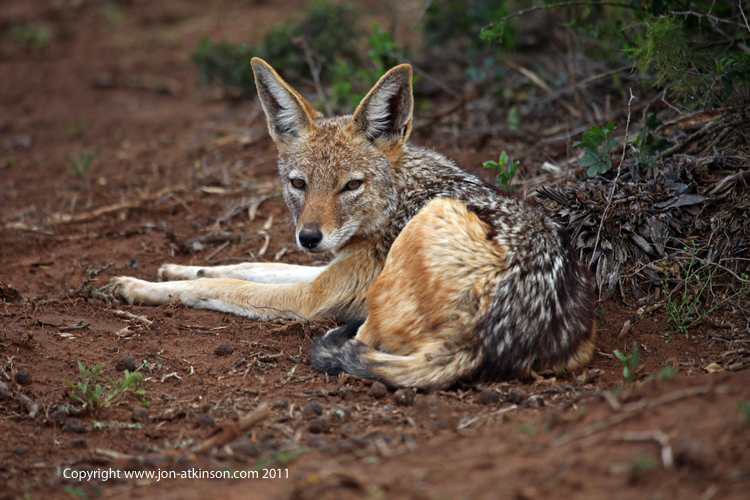
AP10 - Black Backed Jackal, Kruger National Park, South Africa: The black-backed jackals are slender creatures, weighing 5 to 10 kg. Their sides, head and legs are a sandy tan to reddish gold in colour. Their back has a saddle from head to tip of tail that is black and white mixed hairs. Black-backed jackals are active both during the day and night. When active, this species is usually out searching/scavenging for food. Normal movement is at a trot; when hunting an individual walks slowly with its ears pricked and alert. |
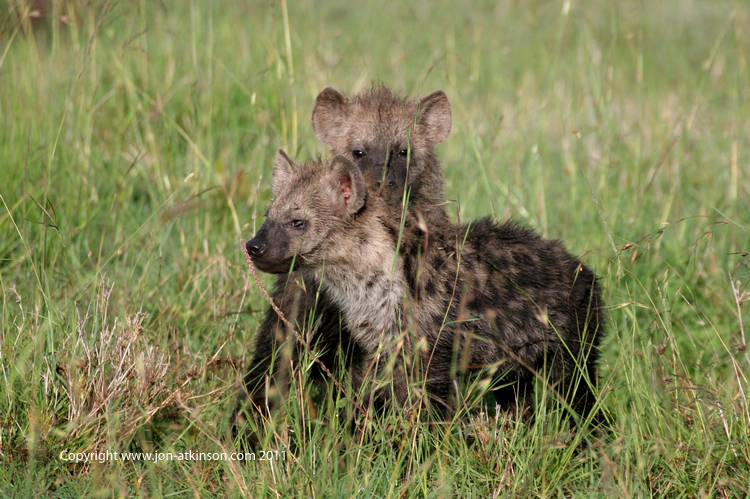
AP11 - Spotted Hyena Cubs, Kruger National Park: Hyenas usually bear litters of two to four cubs, which, unlike the other two species (Brown and Striped), are born with their eyes open. Cubs begin to eat meat from kills near the den at about 5 months, but they are suckled for as long as 12 to 18 months |
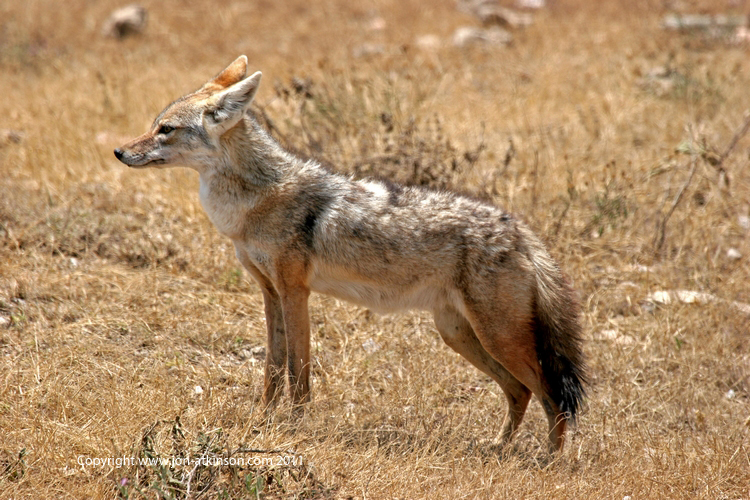
AP12 - Golden Jackel, Serengeti N.P., Tanzania: The Golden jackal is similar in size to a black backed jackal, being up to around 70-80 cm in length (plus another 20-30cm for the tail) and weighing around 7-14kg. The Golden Jackal stands around 40-50cm high at the shoulderIn appearance it is similar to the other jackals. It has a pale golden-brown body with grey and black mixed in. The tail has a black tip. |
|
|
 |
AP13 - Spotted Hyena, Queen Elizabeth National Park, Uganda: Spotted Hyena's inhabit Savannas, grasslands, woodlands, forest edges, subdeserts and mountains to 13,000 feet. The hyena is the most abundant large carnivore in areas where antelopes and zebras are found in masses. |
AP14 - Cheetah, Massai Mara National Park, Kenya: Cheetahs usually prey on small antelopes such as Thomson's gazelles and impalas, but also hunt small mammals and birds. The cheetah gets as close to the prey as possible, then in a burst of speed it tries to outrun its quarry. Once the cheetah closes in, it knocks the prey to the ground with its paw and suffocates the animal with a bite to the neck. |
AP15 - Cheetah, Garden Route N.P. South Africa: Once the cheetahs range ran from India, through the Middle East and extended to the very south of the African continent. Today, in Africa, with the spread of the human influence and exploitation in hunting, the cheetahs range has shrunken dramatically - now only the grass lands and plains of east and central Africa are home to its dwindling numbers with estimates of the whole population now below 12,000 animals. Outside of this range they are virtually extinct. |
